By M. Haroon · Grooming writer · Sources checked against the American Academy of Dermatology and working barber technique · Updated September 2026
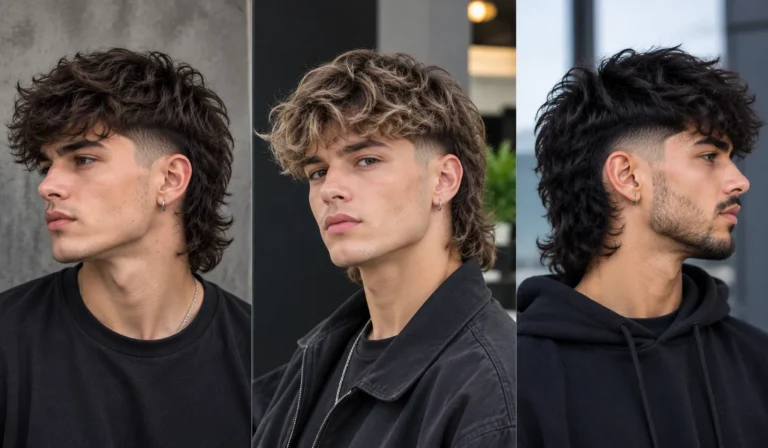
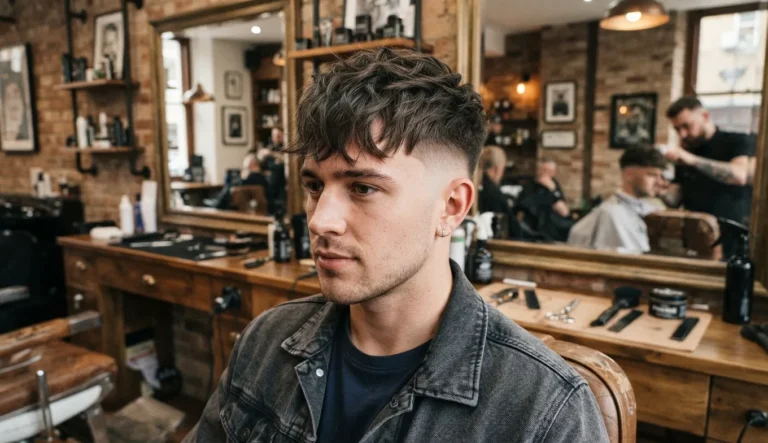
The warrior cut is a textured men’s haircut with short, choppy layers on top and tapered sides. Barbers usually leave 3 to 4 inches on top. They use point cutting for movement and blend the sides with a soft taper. The finish looks messy on purpose. It comes from the 90s grunge look Brad Pitt wore as Tyler Durden in Fight Club. Austin Butler helped bring it back. It suits square, oval and diamond faces best, and it works on straight, wavy and thick hair. Fine and curly hair can be worn with small changes. Below you get a barber script, a hair type guide, styling steps, common mistakes and a grow out plan.
What the Warrior Cut Actually Is
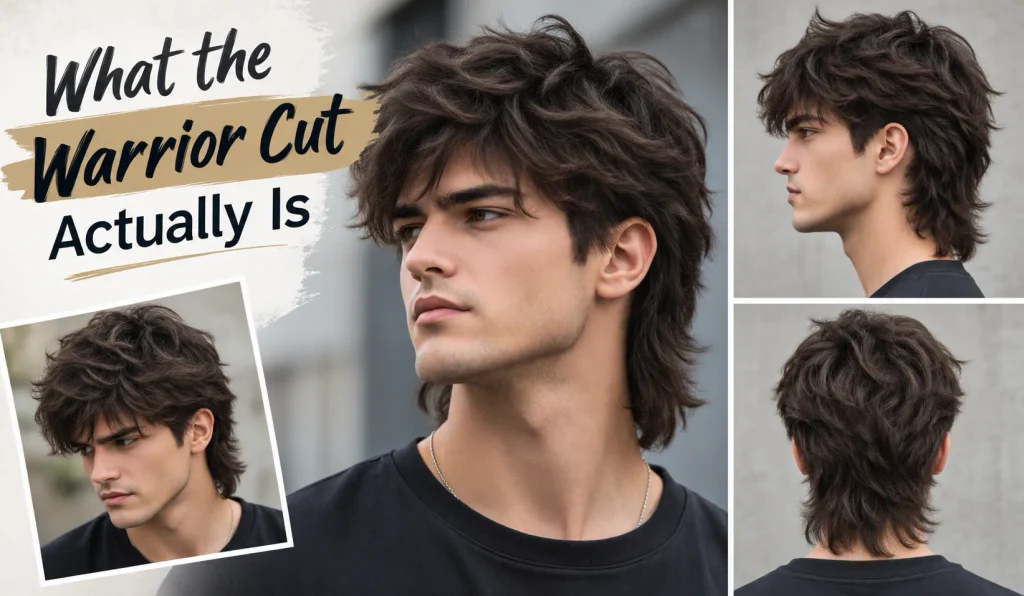
This haircut pairs a layered, textured top with clean, tapered sides. The top looks messy on purpose. The sides stay tidy so the shape never looks sloppy. That contrast is the whole idea.
Where It Came From
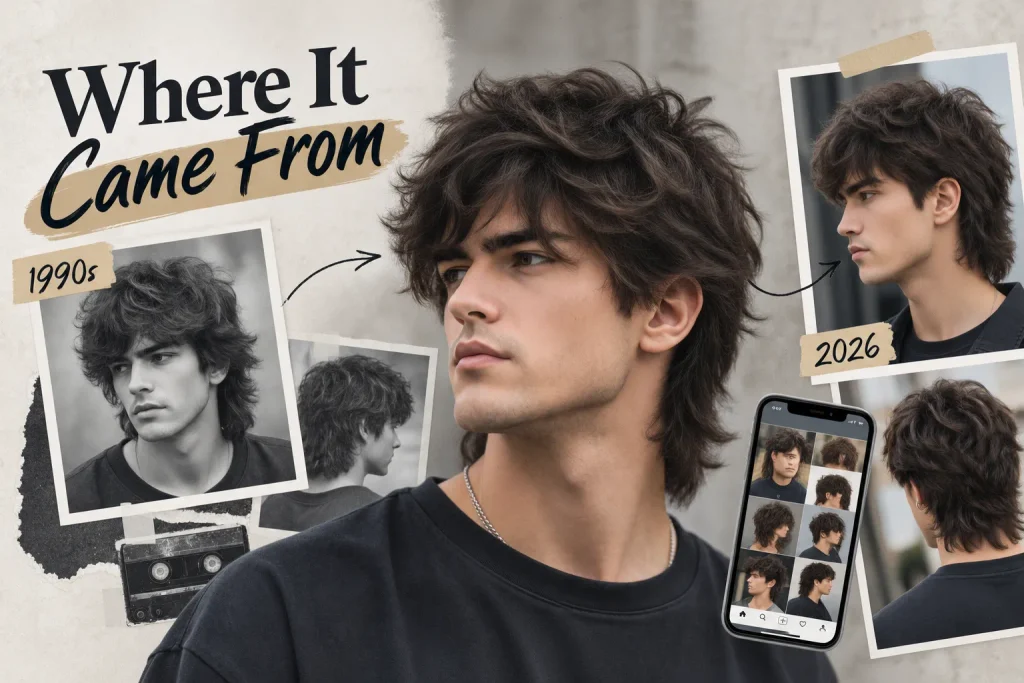
The look traces back to Fight Club, the 1999 film directed by David Fincher. Brad Pitt played Tyler Durden with choppy, uneven, grown out hair. Stylists later called that finish the insomnia look, as if you never slept and never cared. The 90s grunge scene shaped the same taste. Today, barbers use the name warrior cut for a cleaner, modern version.
Why It Is Back in 2026
Then actors such as Austin Butler and Nicholas Galitzine wore updated versions in public. GQ ran a feature on the viral trend and tied it back to Tyler Durden. The UK salon retailer Alan Howard also listed it among its most requested cuts. The bigger shift is taste. Men now want soft texture and a matte finish. Stiff gel and high shine feel dated.
Anatomy of the Cut
Each part has a job:
- Top: 3 to 4 inches, layered with point cutting
- Fringe: slightly longer, pushed up or forward
- Sides: soft taper or low fade
- Back: blended into the top, never cut square
- Finish: matte, dry and lived in
Warrior Cut vs Wolf Cut, Textured Crop, Shag and Mullet
These styles get mixed up all the time. The table shows how they differ.
| Style | Top length | Layering | Sides | Typical trim gap |
| Warrior cut | 3 to 4 inches | Choppy, point cut | Soft taper or low fade | 3 to 5 weeks |
| Wolf cut | Long through crown and back | Heavy, shaggy | Longer, rarely faded | 6 to 8 weeks |
| Textured crop | 1 to 3 inches | Light texture, short fringe | Fade | 3 to 4 weeks |
| Shag | Long, all over | Feathered layers | Long | 6 to 8 weeks |
| Mullet | Short front, long back | Varies | Short | 4 to 6 weeks |
READ MORE : Textured Fringe Haircut: 11 Styles + What to Tell Your Barber (2026)
The key difference is the sides. This cut keeps tapered sides and layered length on top. A wolf cut carries heavy layers through the crown and back. A textured crop is the shorter cousin. Trim gaps are typical ranges, so ask your own barber.
Will It Suit You?
Most men can wear this style. The right version depends on face shape and hair type.
Best Face Shapes
| Face shape | What to adjust |
| Square | Keep full texture on top. A soft taper balances the strong jaw. |
| Oval | Any version works. Choose by hair type. |
| Diamond | Push the fringe forward to soften wide cheekbones. |
| Round | Add height at the crown. Pick a low taper, not a high fade. |
| Rectangle or long | Keep some fullness at the sides. Skip extra height. |
Height on top adds length. Round faces gain from that. Long faces do not.
Best Cut by Hair Type
- Fine hair: Keep the top near 3 inches. Skip thinning shears because they remove needed density. Use mousse and texture powder for grip. Expect a little more styling effort.
- Thinning or receding hair: Ask for a longer, textured fringe that falls forward. Layers create the look of more density. If recession is advanced, barbers often suggest a crew cut with a longer top. Ask for an honest opinion.
- Thick straight hair: Ask for deep point cutting or razor texturing. Without it, thick hair puffs out instead of separating.
- Wavy hair: This is the easiest match. Waves give texture with very little product.
- Curly hair: Keep the top longer and let the curls show. Ask your barber not to over thin, which causes frizz. Add curl cream after washing.
- Coily hair: Coils shrink when dry, so 3 inches stretched can look like 1 inch. Ask your barber to cut it dry so you see the real shape. Shape it with fingers or a pick and keep it moisturized.
Who Should Think Twice
Skip this cut if you want a neat, polished look. It also fails when you refuse to style your hair at all. Very fine hair with no styling time will go flat. Strict dress codes may also clash with the messy top, though a low taper version helps.
9 Variations and How to Pick Yours
Pick the version that fits your hair and your routine.
- Classic: 3 to 4 inches on top, low taper, heavy texture. Start here if unsure.
- Short: 1 to 2 inches on top with tighter sides. It styles in a minute.
- Medium to long: 4 to 6 inches with a longer fringe. Paste works better than clay here.
- Low taper: The softest sides. It is the most office friendly option.
- Fade: A low, mid or burst fade adds contrast. A burst fade around the ear suits curly tops.
- Mullet: Extra length at the back. It needs regular trims or it turns shaggy fast.
- Curly: A longer top that shows the curl pattern, with tapered sides.
- Thick straight: Heavy texturing plus clay to keep the layers separate.
- Coily: A longer top, a shaped taper and steady moisture.
READ MORE : 35 Best Haircuts for Men with Straight Hair 2026 Guide
You may also see Viking and samurai styles online. They borrow the warrior name but use different shapes. Viking styles run rougher and longer. Samurai styles run straighter and sleeker.
How to Ask Your Barber for the Look
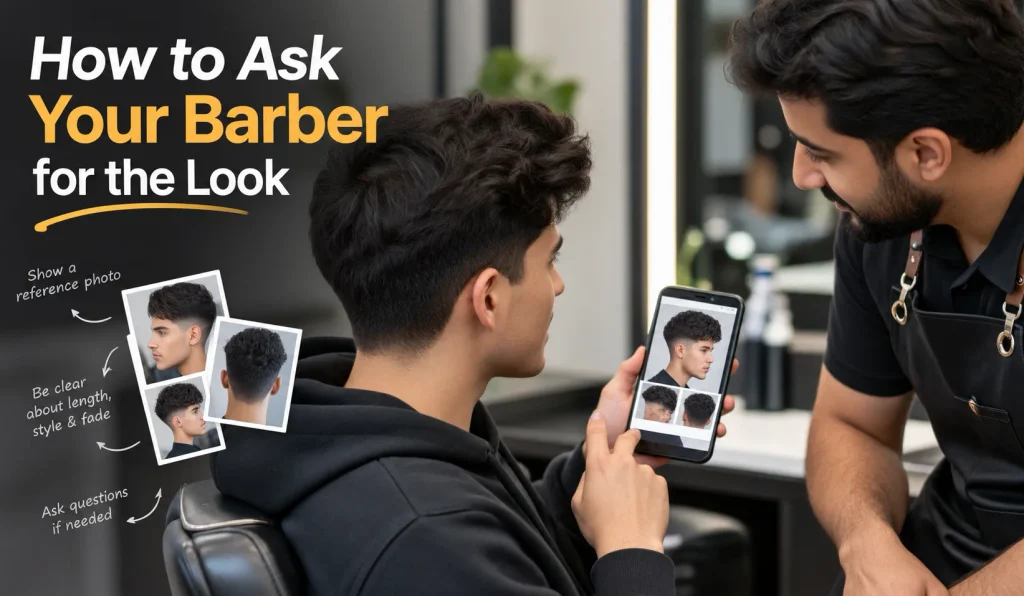
Copy and Paste Script
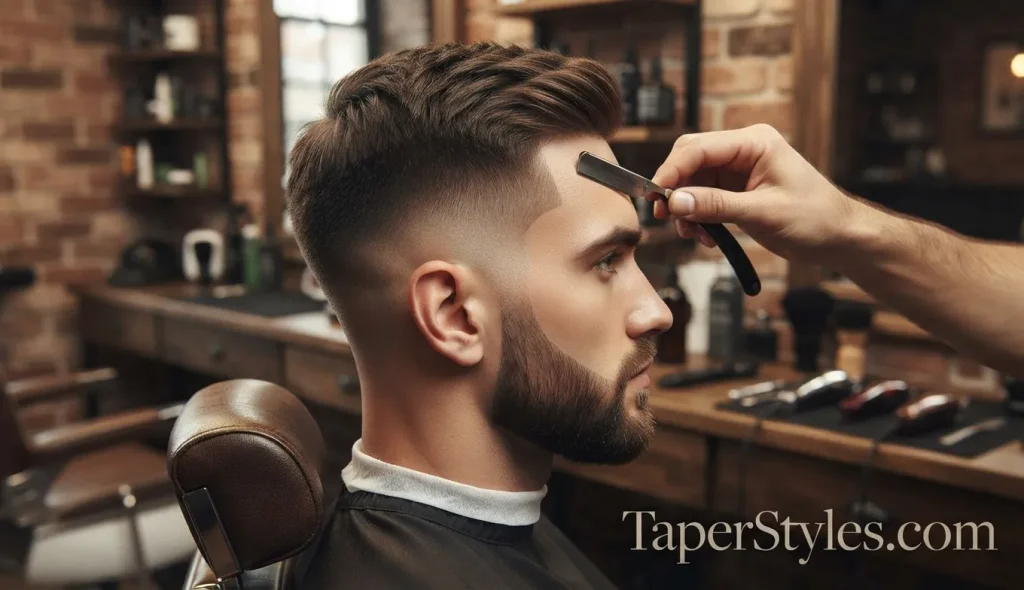
“I want a textured cut with about 3 to 4 inches on top. Please point cut the top for choppy layers. Leave the fringe a little longer. Blend the sides and back with a soft taper, and use scissors over comb where you can. Keep everything connected with no harsh line. I want a matte, natural finish.”
Numbers to Bring
| Part | Ask for |
| Top | 3 to 4 inches (1 to 2 for the short version) |
| Sides and back | Soft taper. A guard 3 blending up to a 4 is a common starting point. |
| Fade height | Low |
| Fringe | Slightly longer than the top |
| Finish | Matte |
Sara Simpson, Education Manager at Alan Howard, gives the same guard advice in the brand’s cutting guide. She also warns against fading too high. Guard sizes vary by clipper brand, so let your barber adjust.
Barber Terms in Plain English
- Point cutting: Snipping into the ends with the tips of the scissors. It breaks up a straight line into peaks and valleys.
- Scissor over comb: Blending with scissors instead of clippers. The result looks softer.
- Weight line: The point where hair sits heaviest. A sharp weight line causes a harsh break between top and sides.
- Taper vs fade: A taper shortens gradually. A fade goes down to the skin.
- Razor texturing: Using a razor to thin the ends. It suits thick, straight hair.
Bring Reference Photos
Bring two or three photos from different angles. Show the front, side and back. Point out what you like, such as the fringe or the taper. Also show one photo of what you dislike. That saves time and prevents a standard textured crop.
How to Style a Warrior Cut at Home
Five Step Routine
- Start damp. Towel dry until your hair feels damp, not wet.
- Prep. Spray sea salt spray or work in mousse. This adds grip.
- Blow dry. Lift the roots with your fingers. Keep the heat on low or medium. The American Academy of Dermatology advises limiting heat and keeping the dryer moving to protect hair.
- Add product. Warm a pea sized amount of clay or paste in your palms. Work it through from roots to ends.
- Shape. Pull pieces with your fingers. Skip the comb. Stop when it looks messy on purpose.
Which Product Should You Use
| Product | Hold | Finish | Best for |
| Sea salt spray | Light | Matte, gritty | Prep step for any type |
| Mousse | Light | Natural | Fine hair needing volume |
| Texture powder | Light to medium | Matte | Fine or thinning hair |
| Clay | Strong | Matte | Thick or straight hair |
| Paste | Medium, flexible | Matte to natural | Wavy hair and longer versions |
| Pomade | Medium to strong | Shiny | Retro wet look only |
Most stylists prefer a matte finish for this cut. Some allow pomade for a Y2K style. Choose by the look you want. Salt sprays can dry hair, so condition it regularly.
Heat and Humidity
Hot weather weakens soft products. Use clay instead of paste. Finish with a light setting spray. Keep the top a little shorter in summer. Shorter layers stay lifted longer when sweat and humidity build.
Eight Mistakes That Ruin the Shape
- Using too much product. Heavy styling kills natural movement. Start with a pea.
- Choosing shine. Glossy finishes push the look toward a slick style.
- Fading too high. The sides lose their connection to the top.
- Cutting the top too short. Under 2 inches, you lose the layers.
- Over thinning. It creates frizz on curly hair and holes in fine hair.
- Skipping the blow dry. Air dried hair often lies flat.
- Using a comb. It flattens the peaks you paid for.
- Picking the wrong version. A mullet on fast growing hair looks overgrown in weeks.
Trims, Cost and Grow Out
| Version | Trim every |
| Short | 3 weeks |
| Classic or low taper | 3 to 5 weeks |
| Fade | 3 to 4 weeks |
| Mullet or long | 6 to 8 weeks, with a neckline tidy between |
Cost
Prices vary by city and shop. Scissor work can cost more than a clipper cut. Ask before you book. Between visits, tidy the neckline at home with a trimmer. Leave the top to your barber.
Growing It Out From a Buzz Cut
Hair grows about half an inch a month, according to dermatology groups such as the American Academy of Dermatology. That gives you a rough timeline:
- From a buzz cut: about 5 to 6 months to reach 3 inches
- From a short crop or undercut top: about 3 to 5 months
- Awkward stage: around month 2 to 3, when the top puffs out
Get a small tidy up every 4 to 6 weeks to keep the sides shaped. Use clay to control the puff. Wear a cap on bad days.
Work, School, Weddings, Beards and Glasses
A low taper version passes at most offices. Keep the top shorter and use less product. For school, the classic cut looks natural and tidy.
For a wedding, sculpt the top with paste. Finish with a light spray so it holds for hours.
Beards need care. A messy top and a messy beard look unkempt. Keep the beard short and shaped. A tapered beard balances the layers well.
Glasses work fine. Ask for a fringe that does not cover the frames.
What Barbers Say
Barbers agree on the same points. Keep the sides soft. Keep the finish matte. Do not overdo product.
Sara Simpson of Alan Howard explains that high fades look modern. This cut aims for a soft, masculine 90s feel. So keep the fade low and the blend smooth.
Warrior Cut FAQs
What is a warrior cut?
It is a textured men’s haircut with a choppy, layered top and tapered sides. The top is about 3 to 4 inches and looks messy on purpose.
How long should my hair be?
Aim for 3 to 4 inches on top. The short version works at 1 to 2 inches. Less than that loses the layers.
How is it different from a wolf cut?
A wolf cut has heavy layers through the crown and back. This cut keeps tapered sides and the length on top.
Does it work on thinning hair?
Yes, in many cases. A textured, forward fringe hides recession. For advanced thinning, ask your barber about a crew cut with a longer top.
Can curly or coily hair wear it?
Yes. Keep the top longer, avoid over thinning and moisturize. For coily hair, have the barber cut it dry.
How often should I trim it?
Every 3 to 5 weeks for most versions. Fades need a little more often. Long versions can wait up to 8 weeks.
Is it too messy for work?
A low taper version looks tidy enough for most offices. Use less product and keep the top shorter.
How do I grow one out?
Expect about half an inch a month. From a buzz cut, plan on 5 to 6 months. Get small tidy ups to shape the sides.
Is it high maintenance?
No. Styling takes about five minutes. The main cost is regular trims.
What products do I need?
Sea salt spray or mousse for prep and a clay or paste for hold. Add texture powder if your hair is fine.
Final words
The warrior cut is basically a messy, textured look: choppy layers around 3 to 4 inches on top, with sides that fade out gently instead of being buzzed short. You’ve probably seen it on Austin Butler lately, but the style goes back to the 90s, when Brad Pitt wore it in Fight Club. It works on most face shapes. Fine, curly, or coily hair just needs a slightly different approach.
Don’t just tell your barber what you want. Show photos. At home it takes maybe five minutes: sea salt spray, a quick blow dry, then a bit of clay or paste. Keep it matte. Get a trim every 3 to 5 weeks, and don’t let anyone thin it out too much or fade it too high.