By M. Haroon | Grooming and Men’s Style Writer | Updated September 2026
Straight hair and a low taper fade just work. Texture is the reason. Straight strands lie flat, catch light evenly, and that means every guard change in the blend shows up, from skin level near the ear all the way to the crown. Nothing gets lost in curl or wave the way it would on textured hair. So precision counts for a lot here, more than people expect, especially with low taper straight hair.
A clean fade looks flawless. A rushed one? You’ll see every flaw immediately. This guide walks through guard numbers, the actual blending steps, top styles sorted by hair density, face shape matching, and barber scripts written specifically for low taper straight hair. Doesn’t matter if it’s your first fade or you’re coming off a mid or high contrast look, the goal is the same either way: sharp lines that actually work with straight hair.
Who This Guide Is For
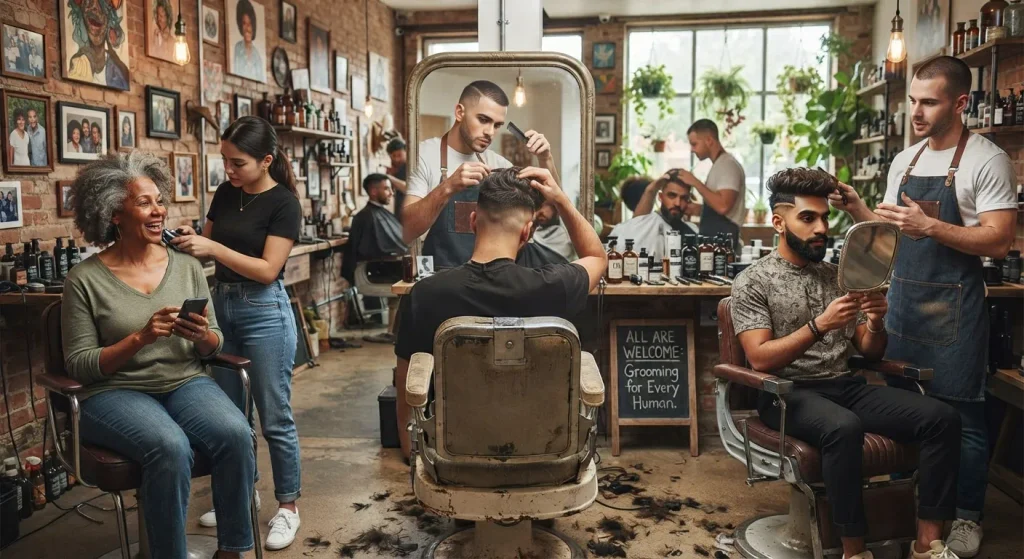
This guide works whether you are getting your first fade, switching from a mid or high fade, cutting a son’s hair for school, or trying to keep a professional look between barber visits. The mechanics stay the same across ages and settings; only the top style and upkeep pace shift.
What Is a Low Taper Fade?
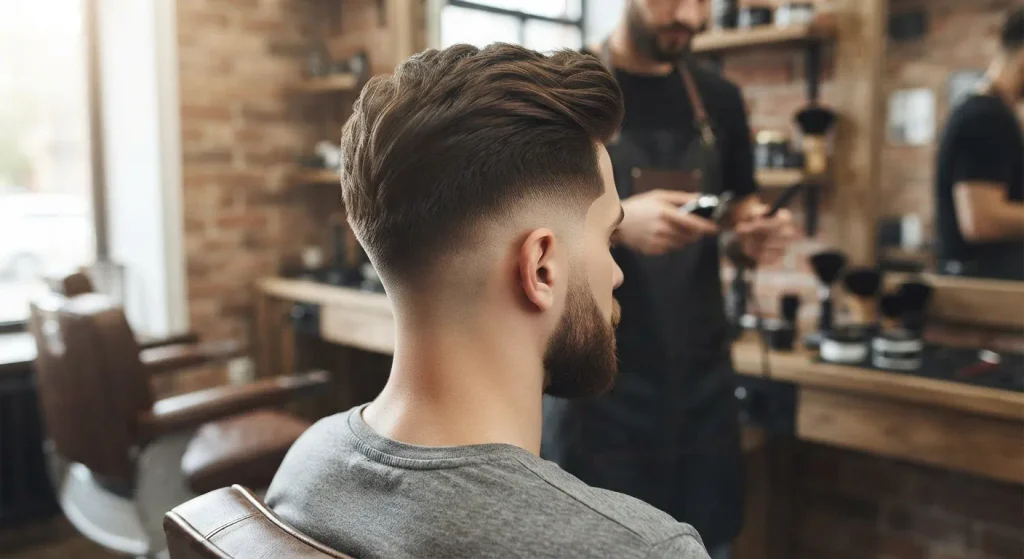
A taper fade shortens the hair gradually from the crown down toward the hairline, using clippers stepped through a sequence of guard sizes, sometimes finished with scissor over comb work for extra control near the ears. The word “low” refers to where the shortest point of that blend sits, close to the ear and the neckline, rather than climbing toward the temple as in a mid fade, or higher still as in a high fade.
READ MORE : Low Taper Haircut for Men: Styles, Guards and Barber Tips 2026
Because the fade stays low, most of the head keeps meaningful length. The sides never go fully bare the way a skin fade does further up. Instead, the hair blends from full length at the crown down to a short, clean finish right above the ear, with the edge and neckline cleaned up separately at the end.
A barber builds this by working guard sizes down in small increments. Jumping straight from a long guard to a skin level guard is what produces the stepped look barbers try to avoid, and it is one of the most common complaints from clients who leave unhappy with a fade.
Why Straight Hair Is Especially Suited to This Cut
Hair texture comes down to follicle shape. A round follicle produces a straight, uniform strand, while an oval or flattened follicle produces the twist that gives hair its curl or wave pattern. This single structural difference explains almost everything about how a low taper fade behaves differently across straight, wavy, curly, and coily hair.
A straight strand lies flat against the scalp and reflects light evenly along its length. That means every stage of the blend, from where guard 4 meets guard 2 to where guard 2 meets guard 1, is visible from across a room. There is no curl or wave pattern to soften a transition or disguise a slightly uneven line.
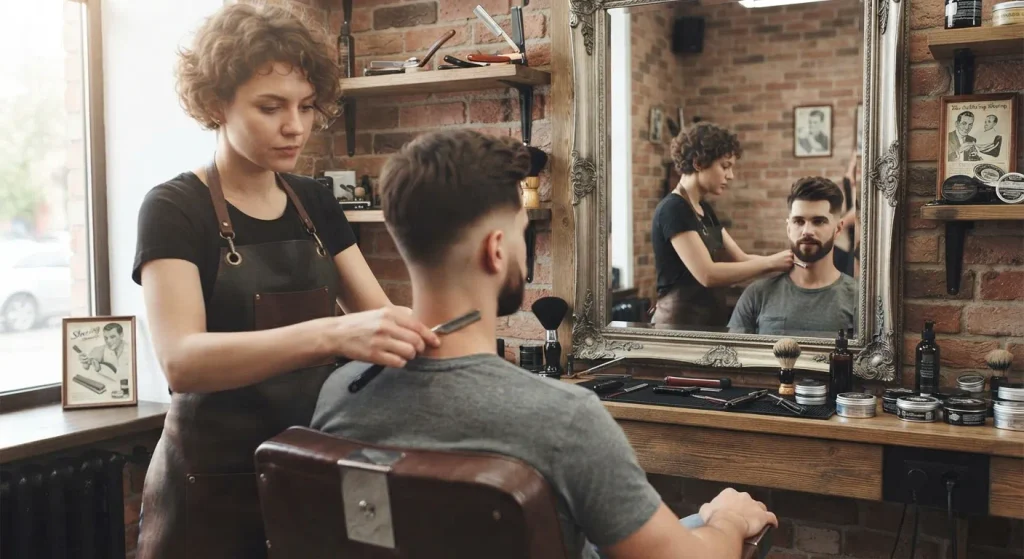
This cuts two ways. A well blended low taper on straight hair looks cleaner than the same cut on most other textures, and a poorly blended one looks worse, for the same reason. Barbers who work with straight hair regularly often say it is the least forgiving texture to fade and the most rewarding one to get right.
Straight hair also shows regrowth sooner in appearance, even though the Biological growth rate does not differ by texture. Curly hair coils as it lengthens, so a fade can look presentable for five to six weeks. Wavy hair sits somewhere in between. Straight hair loses definition in three to four weeks, because each added quarter inch shows as extra visible length rather than tighter coil. This is the practical reason barbers tell straight haired clients to book more often than clients with curly, coily, or wavy textures.
Straight Hair vs. Wavy vs. Curly: How the Fade Differs
| Texture | Blend Visibility | Typical Time Before Regrowth Shows | Upkeep Pace |
| Straight | Highest, every guard change is visible | 3 to 4 weeks | Most frequent |
| Wavy | Moderate, slight softening of lines | 4 to 5 weeks | Moderate |
| Curly or coily | Lowest, coil pattern disguises lines | 5 to 6 weeks | Least frequent |
Low Taper Fade vs. Taper vs. Mid Fade vs. Skin Fade
| Style | Starting Point | Skin Exposure | Best For |
| Taper | Gradual shortening only | None | Conservative offices, first time clients |
| Low taper fade | Just above the ear and neckline | Minimal, at the very bottom | Straight hair, everyday wear, most face shapes |
| Mid fade | Mid way up the side | Moderate | More visible contrast and shape |
| High fade | Near the temple | High | Bold, fashion forward looks |
| Skin fade | Any height | Bare skin at the fade point | Maximum contrast, shortest upkeep window |
A plain taper never exposes skin at all, making it the softest option. A low taper fade blends to skin or near skin, but only at the bottom edge, which keeps the overall contrast gentle. Moving the transition point higher, as with a mid or high fade, increases contrast and visual drama, but also shortens the time between trims, since more of the head is exposed to regrowth.
For straight hair specifically, the low taper hits a balance most men are looking for. It shows off the clean lines straight strands are known for, without the two week upkeep window a high skin fade demands.
Guard Numbers and Blending
| Guard | Approx. Length | Placement |
| 0 to 0.5 | Skin / near skin | Very bottom edge, neckline |
| 1 | About 3mm | Just above the skin line |
| 1.5 to 2 | 5 to 6mm | Mid blend zone |
| 3 to 4 | 10 to 13mm | Transition into the longer top |
Because straight hair reveals every jump between guard lengths, ask your barber to step through the blend gradually, using four or five incremental changes rather than two or three. A useful line to use in the chair is this: “Low taper, blend it in small steps, nothing above a 2 until you’re past my ear.”
Best Styles by Hair Density
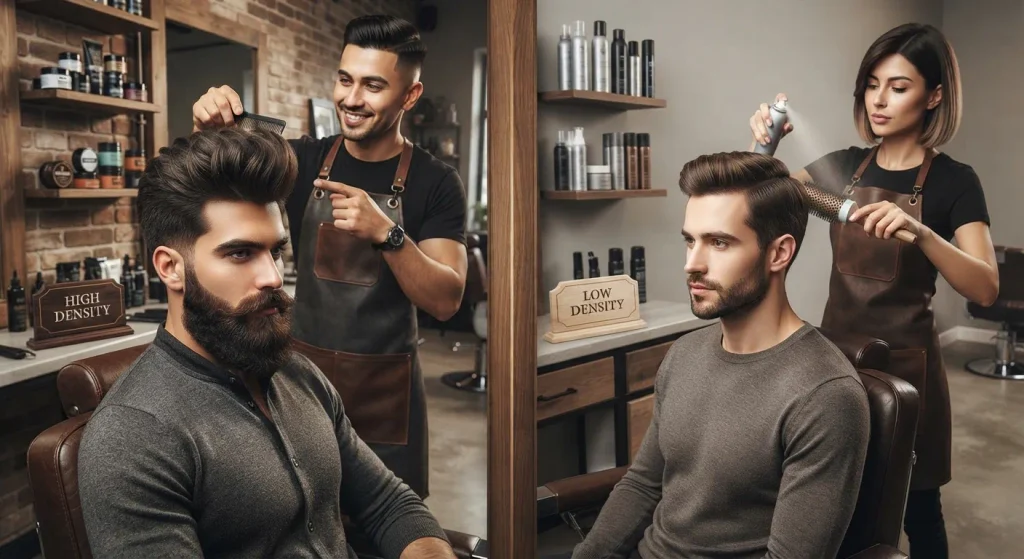
Straight hair is not one category. Fine, medium, and thick straight hair each call for a different top style, and dense hair that only looks fine when dry needs its own approach too.
Fine or Thin Straight Hair
- Textured crop: short layers create the illusion of volume without extra length.
- Low taper fringe: hair pushed forward disguises thinning near the crown.
- Side part: a defined part adds structure fine hair can’t hold on its own.
Medium Straight Hair
- Classic low taper: natural top length, minimal product, clean sides.
- Slick back: medium density holds a slicked style without heavy pomade.
- Middle part: falls evenly with little daily effort.
Thick or Dense Straight Hair
- Pompadour: thick hair holds front height better than fine hair can.
- Quiff: needs a natural body to stay lifted through the day.
- Slick back with firm hold: thick hair needs a stronger pomade to stay controlled.
If your hair looks thick but goes flat once wet, style it as fine hair. Visual thickness and actual density are not the same thing, and picking a style meant for the wrong one is a common reason a fresh cut looks disappointing by day two. A barber who checks your hair wet as well as dry during a consultation is usually working from the right information.
Best Face Shapes for This Cut
Good news first. A low taper fade looks good on basically any face shape. You won’t need to overthink this one. Small tweaks to your top length get you there.
Oval Face

If your face is oval, you’ve got it easy. Short on top, long on top, whatever, it all tends to work. Honestly there’s not much you can mess up here. Good place to start if you’re not sure what to ask for.
Round Face
Round face, go for height. A quiff or textured crop pulls things upward and takes the edge off the width. Skip anything flat up top though, that just adds more width, not less. Sides tight, top doing all the work.
Square Face

Strong jawline already? Good, keep it. Just take the edge off with a side part or textured fringe. Adds movement without stepping on the jaw. Only thing to avoid is width on the sides, that turns the whole look boxy fast.
Long Face

Shorter top, a little extra width on the sides. That’s the formula for a long face. Skip pompadours, skip quiffs, anything tall just stretches things out more. A low taper, top kept moderate, tends to be the safest call.
READ MORE : The Complete Guide to Skin Fades: Every Type, Height, and How to Ask for One
How to Ask Your Barber
Guard sizes mean different things to different barbers. So your words matter more than a picture ever will. Get specific, height, length, how you want it blended. Do that and you’ll walk out with roughly the same cut no matter whose chair you’re in.
First Time Getting This Cut
Try this line: “I want a low taper fade, keep it low around my ear and neckline. Blend it in small steps, leave the top around two to three inches.”
Coming From a Mid or High Fade
Used to more contrast up top? Mention it. Something like: “I’ve had a mid fade before, this time I want it lower, closer to my ear. Nothing above the temple.”
If Your Hair Sits Flat on Top
Straight hair, sits flat, won’t hold anything? Ask for texture with scissors while they cut. Makes it move on its own, skips the product step entirely.
For a Son or Younger Client
Kids, keep it simple. “Low taper, nothing dramatic, school appropriate, easy for him to deal with in the morning” does the job.
Bring photos if you’ve got them, front, side, back. Still helps. But your words do more heavy lifting than the picture. Guard sizes and blending change from barber to barber, so clarity wins over visuals every time.
What It Typically Costs and How Often
Pricing varies widely by region and shop, but a low taper fade generally falls in the same price range as a standard men’s haircut, since it does not require extra time beyond a normal cut once a barber is used to blending. The real cost difference comes from frequency. Because straight hair needs a trim every three to four weeks rather than every five to six, the yearly total is higher than the same cut on curlier textures, even though each visit costs the same. Booking a standing appointment with your barber is usually the easiest way to stay on schedule without thinking about it.
Daily Styling Routine
- Start damp, not wet. Towel dry until just damp.
- Blow dry for lift. Lift at the roots with a round brush or your fingers for a few minutes.
- Apply product sparingly. Work it through with fingers, focused on the top.
- Shape and finish. Comb or finger style into place, adding more product only if needed.
Straight hair typically takes about five minutes to style once this order becomes routine.
Best Products for Straight Hair
- Matte clay: natural finish, works across most densities, a dependable default if you only own one product.
- Texture powder: adds root lift to fine, flat hair without weight.
- Sea salt spray: undone texture on medium to long tops, though it can look stringy on very fine hair.
- Light, water based pomade: best for side parts and slicked styles, holds without grease and rinses out easily.
Skip heavy wax and oil based pomades on fine straight hair. They flatten strands quickly and look greasy by midday. If a product leaves a white residue or a heavy shine by afternoon, it is usually too rich for straight hair and worth switching out.
Maintenance Schedule
Book a trim every three to four weeks. This is tighter than the five to six week window that works for curlier textures, since straight hair shows grow out sooner. Wash every two to three days rather than daily to avoid stripping natural oils. Condition mid lengths and ends only, since root application weighs the top down. A weekly clarifying shampoo clears product buildup if you style daily.
Common Mistakes to Avoid
- Let the fade climb toward the temple instead of staying near the ear.
- Overusing products. A small amount spread evenly beats a heavy layer worked in fast.
- Skipping the blow dry step and air drying flat.
- Waiting past four weeks between trims.
- Choosing a top style that fights your face shape.
- Describing length vaguely. Give a number in inches, not “not too short.”
Frequently Asked Questions
Is a Low Taper Fade Good for Straight Hair?
Yes. Straight hair shows the blend more clearly than other textures, which is why the cut looks sharper and more defined on this hair type.
Does Straight Hair Stick Up After This Cut?
It can, usually when the top is left too long without any weight removed. A barber can address this during the cut by thinning or shortening the top so it sits down naturally rather than standing up on its own.
How Long Does the Cut Hold Its Shape?
About three to four weeks before the fade visibly grows out.
What Guard Number Should I Ask For?
Most low taper fades run a 0 or 0.5 at the bottom, stepping up through 1, 1.5, and 2 before reaching the longer top length.
Can Fine Straight Hair Handle a Low Taper Fade?
Yes. A textured crop or fringe adds the appearance of volume without extra length.
Is This Cut Appropriate for an Office?
Yes. It is one of the most common professional cuts because it looks clean without demanding daily upkeep.
What Is the Difference Between a Taper and a Fade?
A taper never exposes skin. A fade blends down to skin or near skin at some point on the head.
How Much Length Should I Keep on Top?
Two to three inches suits most styles and leaves enough length to switch looks between visits.
Does a Low Taper Fade Cost More Than a Regular Haircut?
Not per visit. The cut itself is priced like a standard men’s haircut. The added cost, if any, comes from visiting more often to keep the fade sharp.
Final Words
Straight hair works really well with a low taper fade. Here’s why: the hair lies flat, so every stage of the blend is right there to see. Clean cut, it looks sharp. Sloppy cut, it shows immediately, no hiding it. A low taper straight hair cut in particular rewards good technique, since there’s nowhere for uneven lines to hide. This guide gets into guard numbers, how the blending actually works, and why straight hair needs a trim every three to four weeks, not the five to six weeks curlier hair can usually get away with.
There’s more too. Top styles broken down by how thick or thin your hair is, cuts matched up to different face shapes, and the actual words to say to your barber so you walk out with what you pictured. Add in some product picks, a simple daily routine, and the mistakes guys make most often, and that’s the whole guide, everything you need to keep this cut looking sharp for the long run.