By M. Haroon. Updated September 2026.
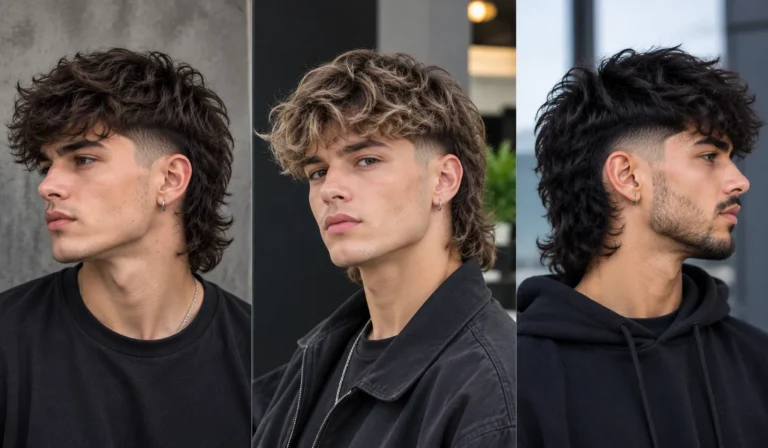
A low taper fade modern mullet keeps the sides clean and close while the back is left long, layered, and full of movement. It’s the version of the mullet that actually survives a missed barber appointment. Because the fade sits near the hairline instead of high on the scalp, regrowth doesn’t announce itself the way it does with a high or mid fade. That single detail is why this has become one of the most requested mullet variations of 2026: it looks intentional on day three and still looks intentional on day thirty.
This guide covers what the cut actually is, how to adapt it to your hair type and face shape, which of the dozen or so style variations fits you, and (the part most guides skip) the exact language to use in the chair so you don’t leave with something you didn’t ask for.
Quick summary if you’re short on time:
- The fade starts roughly 1 to 2 cm above the ear and blends upward. That’s what makes it “low.”
- Top length usually runs 4 to 6 inches; back length runs anywhere from just past the collar to shoulder grazing.
- Fade touch ups: every 4 to 6 weeks. Full cut for the top and back: every 8 to 12 weeks.
- It’s the lowest maintenance mullet variation that still reads as a mullet, not a bad haircut growing out.
What Is a Low Taper Fade Modern Mullet?
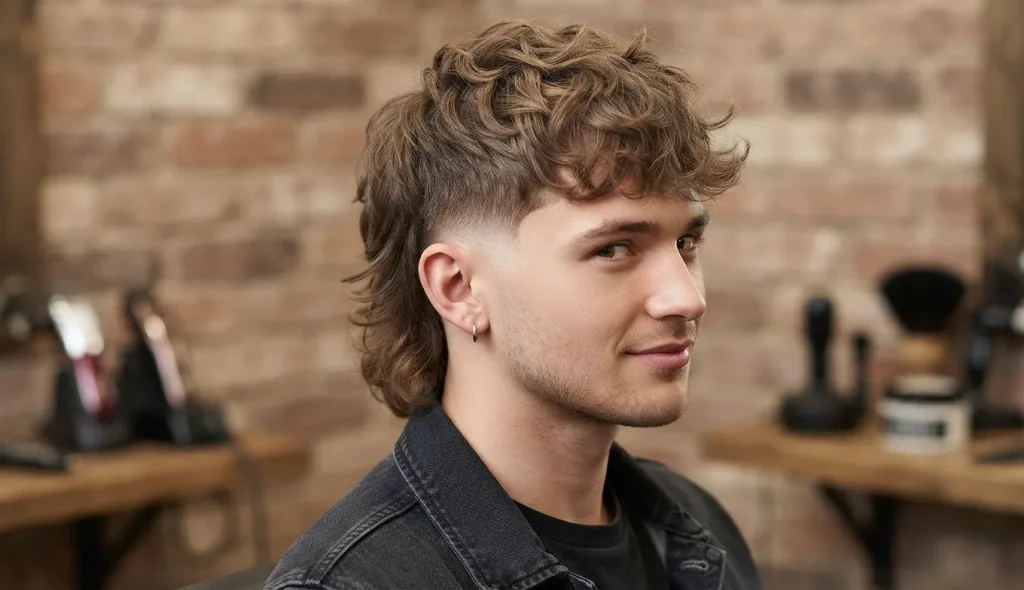
A low taper fade is a cutting technique, not a style by itself. It describes how the hair transitions, not what shape it ends up in. The clipper starts short at the hairline and opens up gradually as it moves up the head. “Low” simply means where that transition begins: close to the ear, usually within an inch or two, rather than at the temple (mid fade) or crown (high fade).
The mullet half is what gives the cut its identity. Modern mullets have moved on from the blunt, shelf like back of the 1970s original. Today’s version uses soft, feathered layers instead of one hard line, and the top is left long enough to actually style: pushed forward, swept back, or left loose depending on the day.
Put them together and you get a cut with two faces: buttoned up from the front, expressive from the back. That contrast is the entire appeal, and it’s also why the cut reads as workplace safe in a way that a high fade mullet or a disconnected mullet doesn’t.
The Technical Details That Define It
| Element | Typical range | Why it matters |
| Fade start point | 1 to 2 cm above the ear | Anything higher becomes a mid fade, not a low fade |
| Clipper guard at hairline | #1 to #2 | Creates the short base the fade blends up from |
| Blend guard | #3 to #4 | Where most of the “taper” happens |
| Top length | 4 to 6 inches | Long enough to style, short enough to stay controlled |
| Back length | 2 inches past collar to shoulder length | Sets whether it reads as a subtle or dramatic mullet |
| Layering at the back | Feathered, not blunt | The single biggest difference between “modern” and “retro” mullets |
Low Fade vs. Mid Fade vs. High Fade Mullet
Fade height isn’t just an aesthetic choice. It directly decides how often you’re back in the chair.
| Fade height | Regrowth visibility | Touch up frequency | Best for |
| Low | Barely shows | Every 4 to 6 weeks | Office jobs, low maintenance lifestyles |
| Mid | Noticeable within 3 weeks | Every 3 to 4 weeks | Balanced contrast, most versatile |
| High | Shows within 2 weeks | Every 2 to 3 weeks | Bold, statement looks, photo ready |
If you’ve never had a mullet before, start low. It’s forgiving of missed appointments, it grows out without ever looking patchy, and it gives you an easy exit if you decide the style isn’t for you. A low fade grown out just looks like a slightly long taper cut, not a haircut gone wrong.
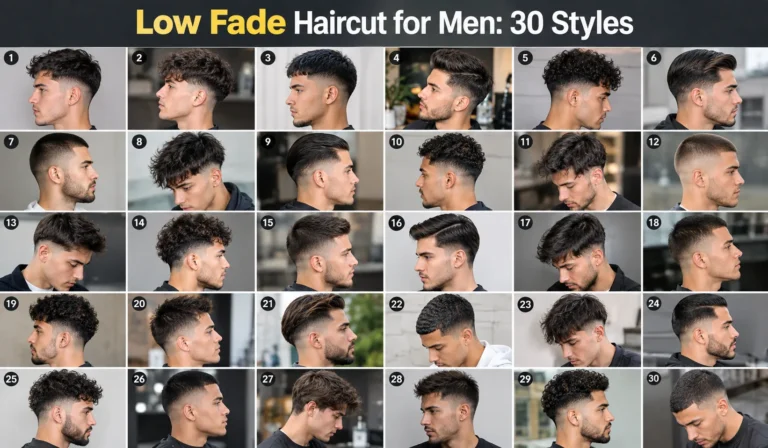
READ MORE : Low Fade Haircut for Men: 30 Styles, a Barber Script and Care Tips
Low Taper Fade Mullet by Hair Type
Texture changes more about this cut than any other single variable. Get this part right and the style styles itself most days; get it wrong and even a technically good haircut looks flat or unmanageable.
Straight Hair

Straight hair falls flat, which can make the longer back section look thin or stringy rather than full. Barbers typically compensate with point cut layers that create the illusion of movement the hair doesn’t have naturally. At home, a texturizing spray on damp hair plus a low heat blow dry gives you the bend that straight strands won’t produce on their own.
Wavy Hair
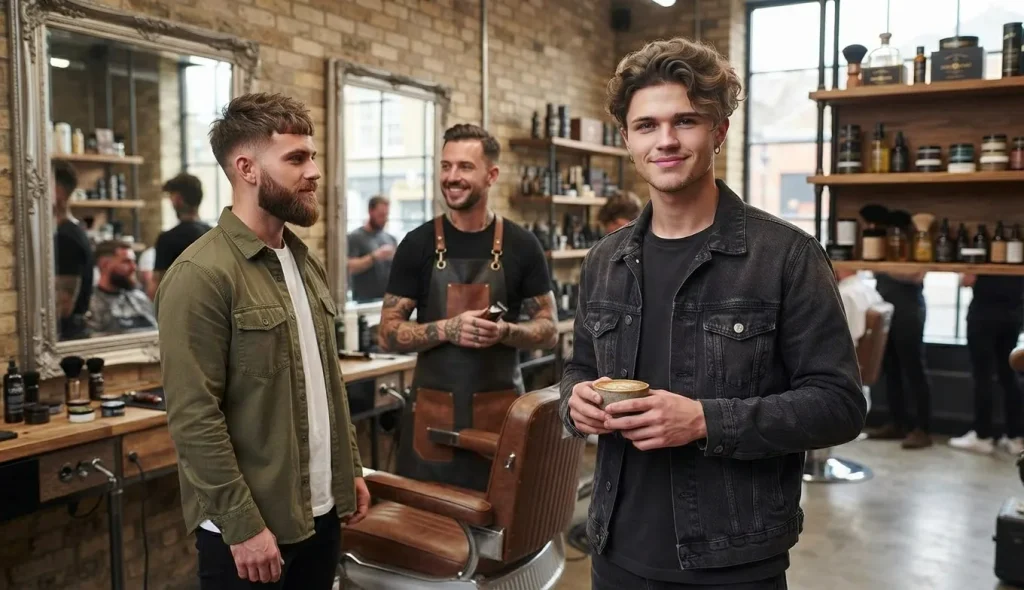
This is the easiest texture to work with, full stop. The natural bend already does the separating that a barber would otherwise have to cut in. A light sea salt spray, scrunched in rather than combed through, is usually the only product this texture needs.
Curly Hair

Curls build volume at the crown and back almost by themselves, which means less product and less daily effort. The one thing to plan for: curls shrink as they dry, sometimes by an inch or more, so a barber needs to leave extra length to land on the finished look you actually wanted. A leave-in conditioner followed by a lightweight curl cream keeps the pattern defined without tipping into frizz.
Coily and Textured Hair (4A to 4C)

Coily hair already holds shape and volume at the back on its own, so it rarely needs the added bulk other textures do. The fade should stay soft rather than razor sharp here; a hard, high contrast line can look disconnected against tight coils instead of blended. A moisturizing cream or butter keeps curls defined and prevents the dryness this texture is prone to. If possible, book with a barber who has specific experience cutting textured hair. The technique differs enough from straight hair tapering that it’s worth asking about before you sit down.
Which Face Shape Suits This Cut?
Face shape only tells half the story. It matters most in combination with your hair type, not on its own.
- Round faces do best with more height on top and a tighter fade at the sides, which adds length instead of width. If your hair is curly, keep volume centered rather than wide.
- Square faces have room to experiment. A textured, choppy top softens a strong jawline; straight hair with a slight side sweep also works well here.
- Oval faces are the easy case. Almost every version of this cut works without adjustment, which is exactly why most reference photos online feature oval faced models.
- Long or oblong faces should skip extra height on top and go for width instead. Wavy or curly hair helps fill that out naturally.
- Diamond shaped faces look best with a little fullness near the jaw at the back, with the crown kept lower so attention isn’t drawn further to the cheekbones.
Best Low Taper Fade Mullet Styles
Here are the versions that actually get requested in the chair, each suited to a different hair type or intent.
READ MORE : Modern Mullet Haircut: The Complete Guide for Men in 2026
Textured Crop Mullet.

Short, choppy layers on top meet the low fade. Works best on thick or wavy hair, where the natural body fills in the layers without much product; fine, straight hair can wear it too with a matte texturizing paste doing the work volume would otherwise do.
Curly Fringe Mullet.
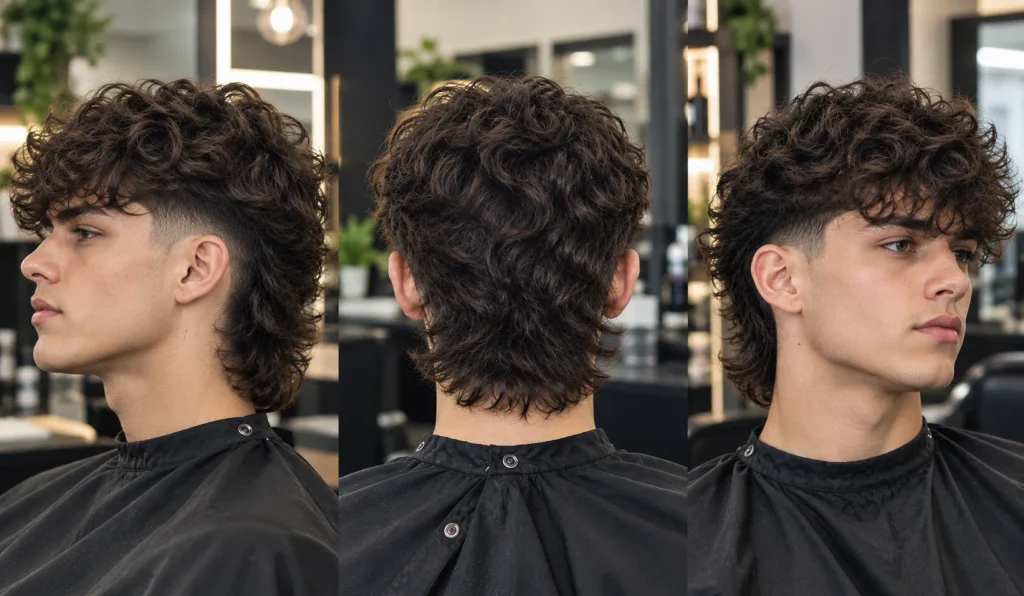
Curls fall forward over the forehead. Suits round or oval faces and needs little more than a light curl cream to hold its shape.
Slicked Back Business Mullet.

Top combs straight back with a strong hold pomade. Polished and boardroom safe from the front; the length only becomes obvious from the side or back.
Shaggy Surfer Mullet.

Relaxed, loose, and left long on top. A sea salt spray gives it a lived in texture. Wavy hair suits this one especially well.
Wolf Cut Hybrid.

Heavy layering runs through the entire head, blending mullet and wolf cut. You lose the defined “shelf” at the back and gain a fuller, more continuously layered shape, a good middle ground between a classic mullet and a full shag.
Burst Fade Mullet.

The fade curves around the ear instead of cutting a straight line. Bold and rounded; pairs especially well with thick or curly hair.
Disconnected Mullet.

Little to no blend between the short sides and the long top, an intentional, sharp contrast rather than a gradual taper. Edgier and higher maintenance than the standard low taper version, since the hard line needs upkeep to stay crisp.
Mullet with Hair Design.
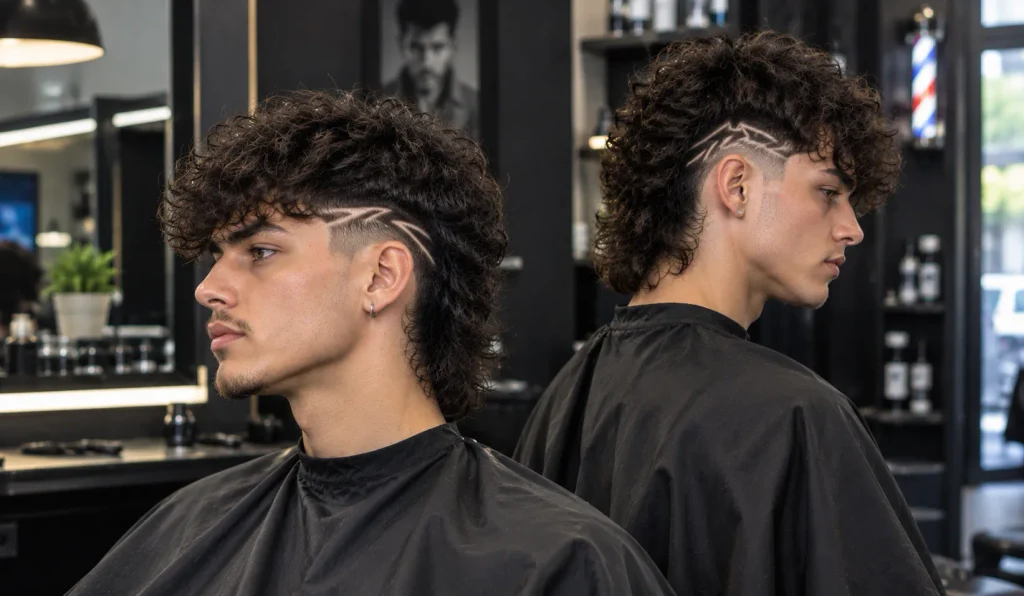
A shaved line or small pattern sits near the fade for a personal touch. Works best on straight or wavy hair, where the design stays visible instead of getting lost in texture.
Mullet Mohawk.

The center is kept as a raised strip rather than full width length, with the low fade handling the sides. A distinct cut from a standard mullet, with its own upkeep demands since the strip needs regular shaping to stay defined.
Short Low Taper Mullet.
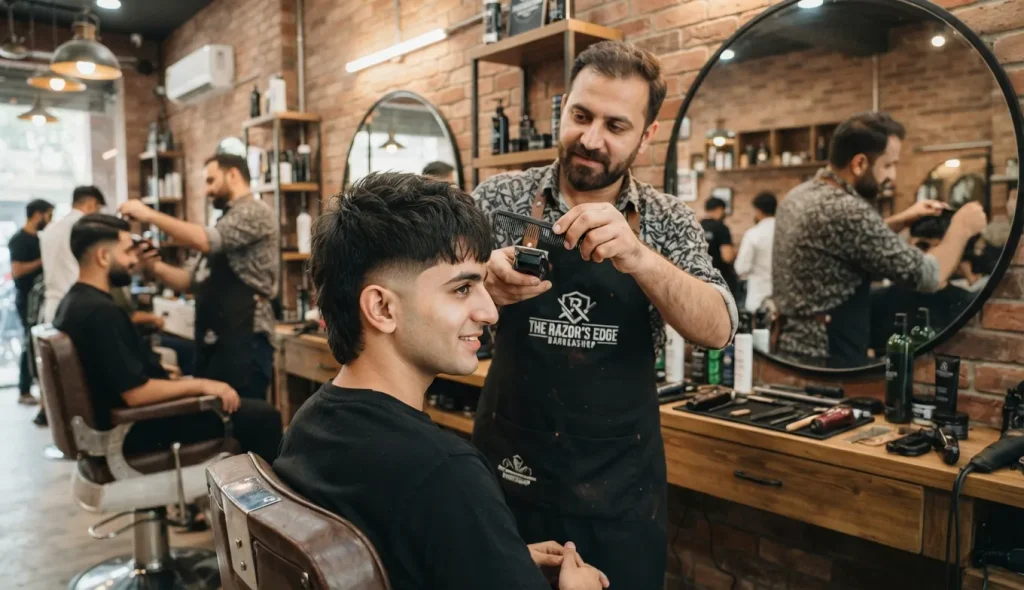
Back stops just past the collar. The lowest commitment entry point if you’re not ready for serious length.
Long Low Taper Mullet.
The back runs well past the collar, sometimes to the shoulders. Takes patience through the growth, but delivers the most dramatic version of the style.
Korean Inspired Mullet.

Soft layers frame the face, the top stays light, and the back flows gently over the neck. Suits fine to medium hair especially well.
Short vs. Medium vs. Long: Choosing Your Length
Before you decide on fade height or style name, decide how much back length you’re actually committing to. It sets the personality of the whole cut more than any other choice.
- Short: back grazes the collar, top sits around 3 to 4 inches. Quick to style, easy to reverse if you change your mind, and the safest first timer option.
- Medium: distinct from a regular taper but not yet dramatic. The best starting point if you’ve never worn a mullet before; it previews the longer look without full commitment.
- Long: back pushes past the collar toward the shoulders. Delivers the most visual impact but comes with a genuinely awkward six to eight week stretch where the length isn’t quite there yet. Requires active daily styling, usually a round brush and blow dryer, or a stronger hold product to control frizz.
How to Ask Your Barber for This Cut
A saved photo alone won’t get you a consistent result. Barbers work from numbers, not vibes.
The Exact Script
“I want a low taper fade mullet. Start the fade about one inch above my ear with a #2 guard, blending into a #4. Leave five inches on top and six inches at the back. Keep the back layered with scissor work, not blunt cut.”
Mention your hair type and how much time you’re willing to spend styling. “Thick, wavy hair, I want low maintenance” produces a very different cut from “fine, straight hair, I’ll style it daily.” Bring reference photos from the front, side, and back. The back angle is the one people forget, and it’s the one that matters most for a mullet specifically.
Clipper Guard Cheat Sheet
| Guard number | Length produced | Where it’s used |
| #1 to #2 | Very short | Near the hairline |
| #3 to #4 | Short to medium | The blend zone |
| #5 and up | Longer | Top transition into length |
Treat this as a starting point. Your barber will adjust based on how thick your hair is and how fast it grows.
The Grow Out Timeline
Knowing what to expect at each stage prevents the panic cut around week five that ruins more mullets than bad barbering ever does.
- Weeks 2 to 3: The fade starts to soften as new growth fills in the blend zone, though it’s still presentable.
- Weeks 3 to 4: Most people notice the line has blurred enough to warrant a fade only touch up.
- Week 6: The fade needs a proper refresh even though the top and back still look fine. This is the point most people mistakenly book a full haircut when they only need the sides done.
- Weeks 8 to 12: There’s enough length at the back to go bolder if you want. Extend into a longer variation, or add a hair design now that there’s more canvas to work with.
This split maintenance rhythm is exactly why the low taper version is easier to live with than higher fades: the part that needs frequent attention (the fade) is quick and cheap, while the part that takes real time to grow (the length) needs almost no upkeep at all.
How to Style It at Home
The right product depends on your texture, not on how much you apply.
- Matte clay: strong grip, best for cropped or textured tops.
- Sea salt spray: adds volume and grit, best for wavy or shaggy looks.
- Lightweight curl cream: defines curls without weighing them down.
- Strong hold pomade: for slicked back or business leaning versions.
Start with hair that’s damp, not soaking. Warm the product between your palms before working it through root to tip; this prevents the classic mistake of dumping it in one spot and ending up greasy instead of textured. Curly hair should be scrunched, never combed, to protect the natural pattern. Straight hair benefits from blow drying the top upward first, then applying product to lock in the lift.
How to Maintain a Low Taper Fade Modern Mullet
The fade and the length grow out at different rates, so they need to be treated as two separate maintenance tracks:
- Fade touch up: every 4 to 6 weeks, keeps the sides sharp without paying for a full cut every visit.
- Top and back trim: every 8 to 12 weeks, mostly just cleaning up split ends and keeping the shape even.
Some barbershops now offer discounted fade only pricing specifically because this maintenance pattern is so common. It’s worth asking about at your shop.
What to Do If the Cut Comes Out Wrong
A first attempt that misses doesn’t automatically mean starting over.
If the fade sits too high, ask your barber to bring it down gradually over the next visit or two rather than demanding a full redo on the spot. Small corrections tend to hold their shape better than drastic ones. If the back feels too short, that’s just a matter of time; Hair Grows at its own pace regardless of how the appointment went. For your next visit, bring photos that show the side and back, not just the front. Those are the angles that get forgotten, and they’re the ones that matter most for a mullet specifically.
Low Taper Mullet vs. Plain Mullet vs. Burst Fade Mullet
| Style | Sides | Maintenance | Best for |
| Low taper mullet | Tapered, soft blend | Low | Everyday wear, professional settings |
| Plain mullet | Untapered or barely shaped | Very low | Retro look, minimal effort |
| Burst fade mullet | Curved, sharp fade around the ear | Medium to high | Bold, statement looks |
The low taper mullet sits deliberately in the middle: more shape than a plain mullet, far less upkeep than a burst fade.
Common Mistakes to Avoid
Not mentioning your hair type leaves your barber guessing, and guessing rarely goes well. Skipping back and side photos means they’re working half blind on the part of the cut that matters most. Choosing a fade height that doesn’t match your real world schedule just means more trips to the chair than you actually want. Ignoring the grow out timeline is how people end up disappointed and impatient around week five. And using the wrong product, a heavy pomade on curly hair for instance, just weighs the whole style down instead of defining it.
FAQs
How long does my hair need to be before starting this cut?
Most barbers want at least three to four inches on top and at the back to have something to actually work with.
Does it work on fine or thin hair?
Yes. Volumizing products and careful layering build the appearance of thickness that fine hair doesn’t have on its own.
Is it appropriate for a professional workplace?
Generally, yes. The low fade and tapered sides keep the front and side profile neat, which is what keeps the length at the back discreet rather than distracting.
How is it different from a regular taper fade?
A regular taper fade stops at the sides with no dramatic length change. This cut adds the extra back length that makes it a mullet, not just a fade.
Can curly or coily hair pull this off?
Very well. These textures often need less styling overall, since the natural pattern already supplies volume and definition at the crown and back.
How long is the awkward grow out phase if I’m going long?
Roughly six to eight weeks, until there’s enough length at the back to style with intention instead of just tucking it away.
How often do I actually need to see my barber?
Two different rhythms: a quick fade only touches up every 4 to 6 weeks, and a full trim for the top and back every 8 to 12 weeks.
Getting the Cut Right the First Time
It comes down to three decisions: pick a fade height that fits your actual schedule, not just a photo you saved; work with your natural hair type instead of fighting it; and talk to your barber in specific terms, guard numbers, inches, and photos from every angle. Get those three right, and this haircut holds up from the day you leave the chair through every stage of the growth.
Final Words
The low taper faded modern mullet earns its popularity honestly. It gives you the length and personality people want from a mullet without the upkeep that usually comes with bolder fades. Whether your hair is straight, wavy, curly, or coily, there’s a version of this cut built around your texture rather than against it, and almost every face shape can wear some variation of it with the right adjustments to volume and length.
The difference between a great result and a disappointing one rarely comes down to the barber’s skill. It comes down to how clearly you communicate before the clippers ever touch your head: naming your fade height, describing your hair type, and bringing photos from the back and side, not just the front. Be patient through the growth weeks, keep the fade touch ups on schedule, and this haircut will hold its shape in a boardroom on Monday and still turn heads on a Friday night.