
By M. Haroon | September 2026
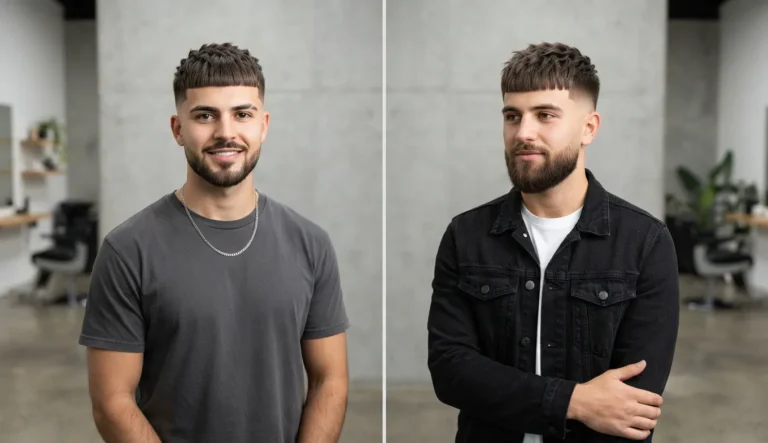
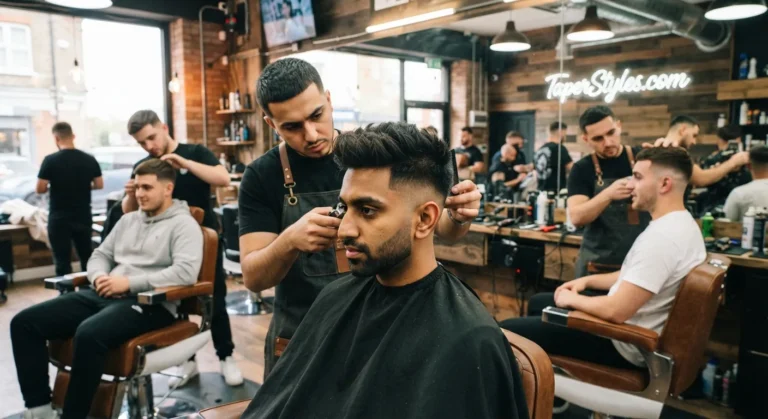
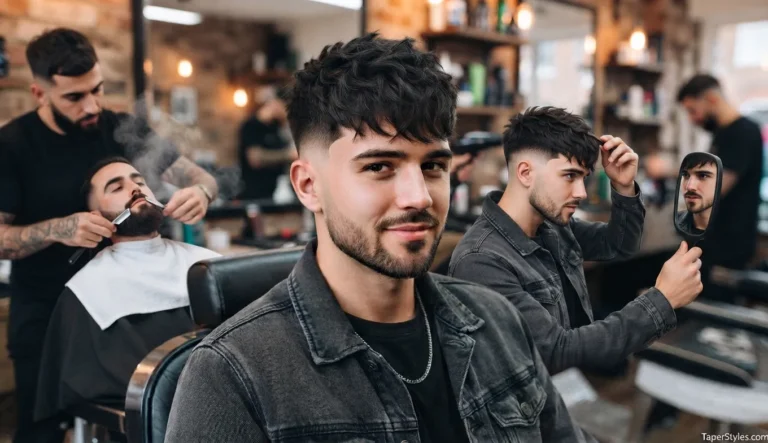
A good fade can seriously change how a haircut looks. Skin fades basically take the hair right down to the scalp at the shortest point, so you get that sharp, clean contrast. Works well with a lot of styles too textured crops, curly tops, buzz cuts, even mullets these days.
Honestly the main thing that changes the whole look is fade height, how clean the blend is, and how much contrast you want on the sides. Low fade stays subtle, mid fade is kind of the middle ground everyone goes for, and high fade is for guys who want max contrast and a bolder look. Then there’s bald fades, drop fades, burst fades each one changes the shape a little differently.
What Actually Makes a Fade a “Skin” Fade
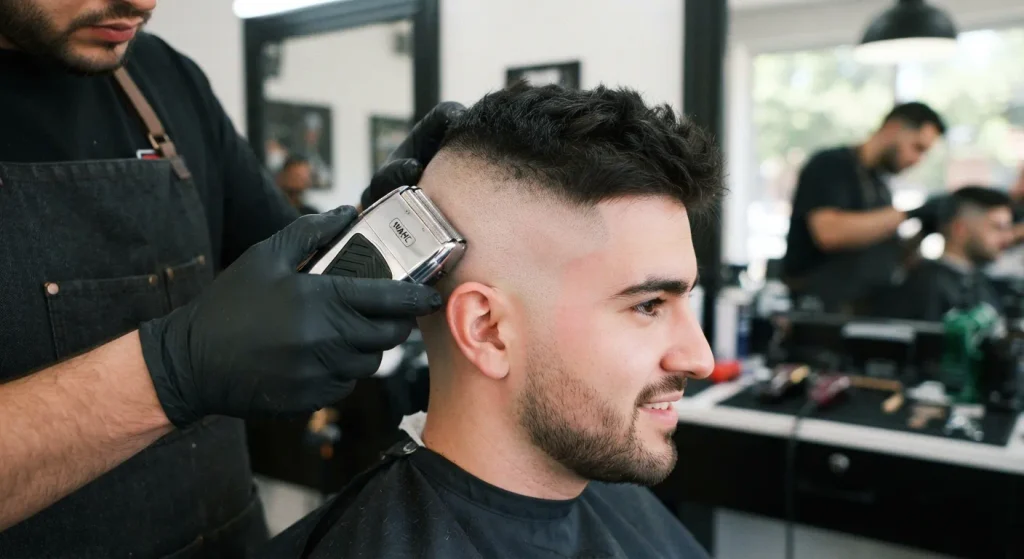
A fade, at its core, is a gradient: hair that gets shorter as it moves down the head, cut in overlapping passes so there’s no visible line between lengths. Barbers build this gradient with a clipper, run through a sequence of guard lengths, then finish the bottom edge with a straight razor or foil shaver for a crisp line against the skin.
What separates a skin fade from an ordinary fade is one specific thing: the shortest point of the gradient is bare skin, not a short guard, actual skin. A taper, on the other hand, never gets there; it keeps a visible guard length (usually a 2 or 3) at its shortest point. This is the single most useful fact in this entire guide: if it doesn’t touch skin, it’s not a skin fade, no matter how short it looks.
You’ll also hear a skin fade called a bald fade. Same cut, different name. The split is mostly regional (bald fade is more common in North America, skin fade in the UK and Australia), and a few old school shops just say “shaved sides.”
The Three Measurements That Define Every Fade
Barbers don’t memorize dozens of named styles. They think in three measurements, and every named style you’ll read below is just a specific combination of these three:
| Variable | What it controls | Range |
| Fade line height | Where the gradient begins on the head | Near the ear (low), temple (mid), crown (high) |
| Terminal length | How short the bottom of the gradient gets | Guard 2 to 3 (taper), guard 0.5 to 1, bare skin (0) |
| Blend width | How much vertical distance the transition covers | A tight 1 to 2 inch blend (sharp contrast) or a 3 to 4 inch blend (soft, gradual) |
Once you can name these three things, you can describe any fade to any barber in the world, in any language, without needing the slang.
Every Type of Skin Fade, Named and Explained
Low Skin Fade
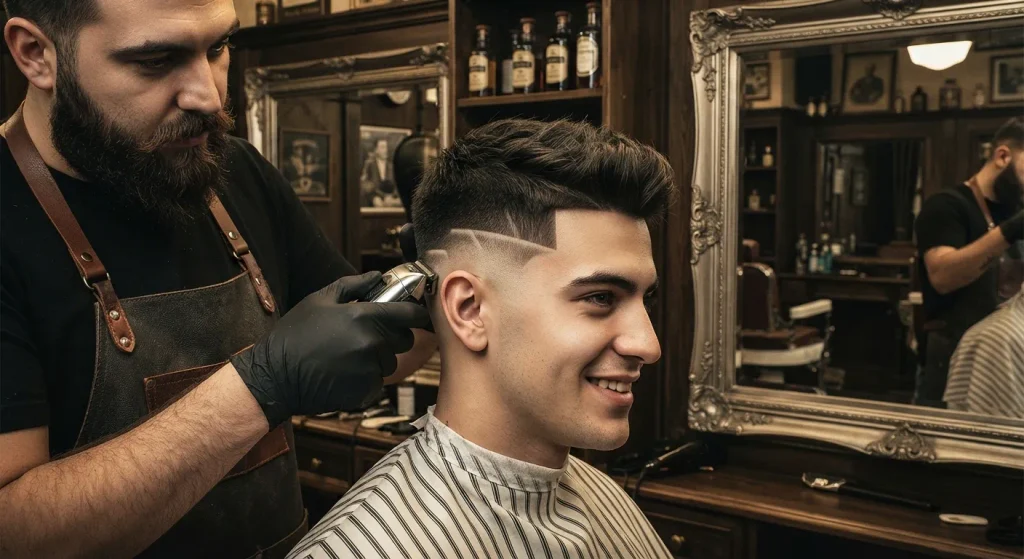
The gradient starts just above the ear, usually leaving less than an inch of visible skin at its widest point. It’s the most conservative skin fade and the easiest to grow out without looking unkempt. Most clients can stretch it past the three week mark before it needs a refresh.
READ MORE : Low Taper Haircut for Men: Styles, Guards and Barber Tips 2026
Mid Skin Fade
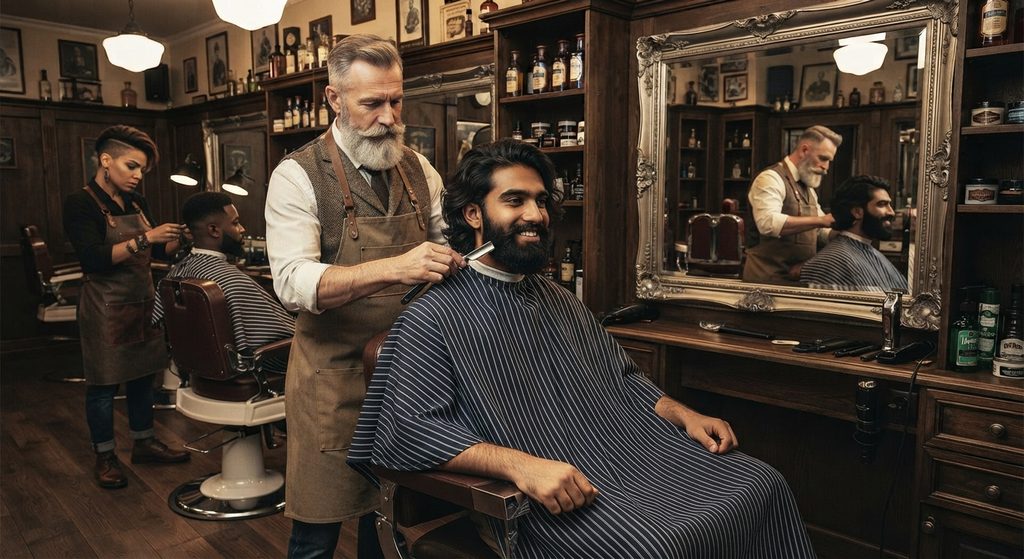
Starts roughly at the temple line, the midpoint between the ear and the crown. Barbers recommend this one most often to first time fade clients because it reads well on nearly every face shape and doesn’t demand a specific hair type.
High Skin Fade
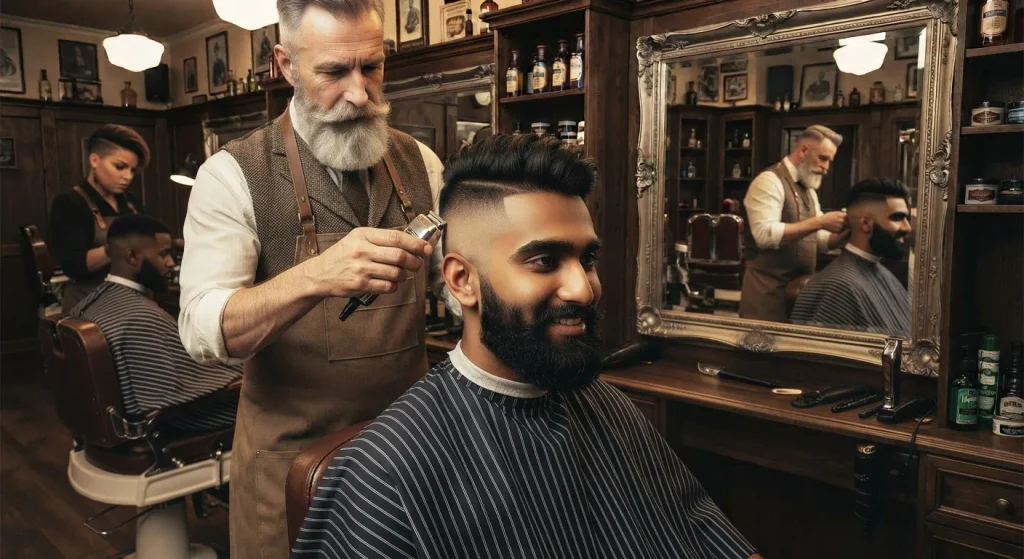
Begins near the crown and shows the most skin of any variant. Because so much scalp is visible, it creates the sharpest possible contrast against whatever’s happening on top, which is why it pairs so well with thick or heavily textured hair that needs something to visually land against. The trade off is upkeep: new growth is visible within 10 to 14 days at this height.
Taper Fade
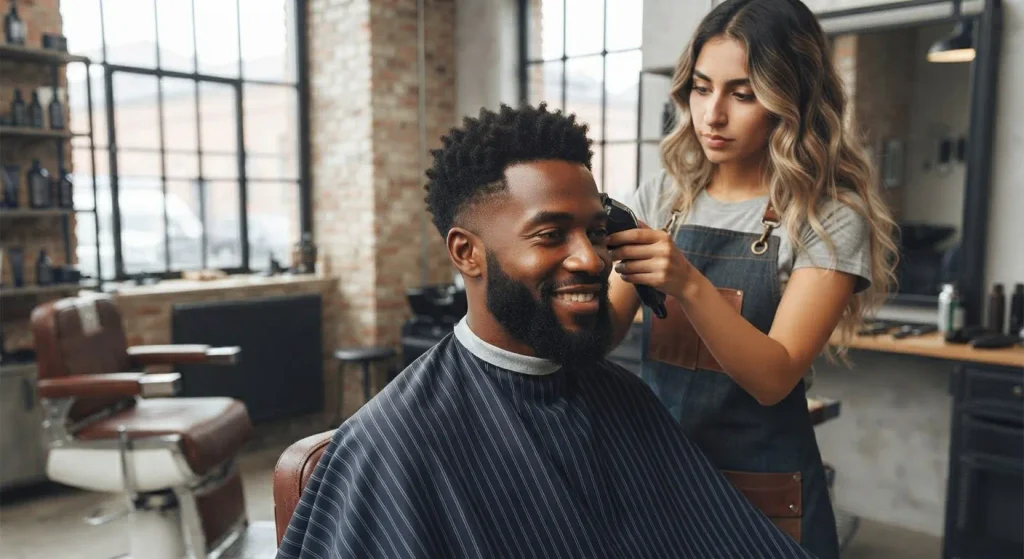
Technically not a skin fade at all. It never reaches bare skin. The sides keep a visible guard (typically a 2 or 3) and only tighten up around the sideburns and nape. It’s the most forgiving option for fine or thinning hair, since the softer transition doesn’t expose the scalp the way a true skin fade would.
Drop Fade
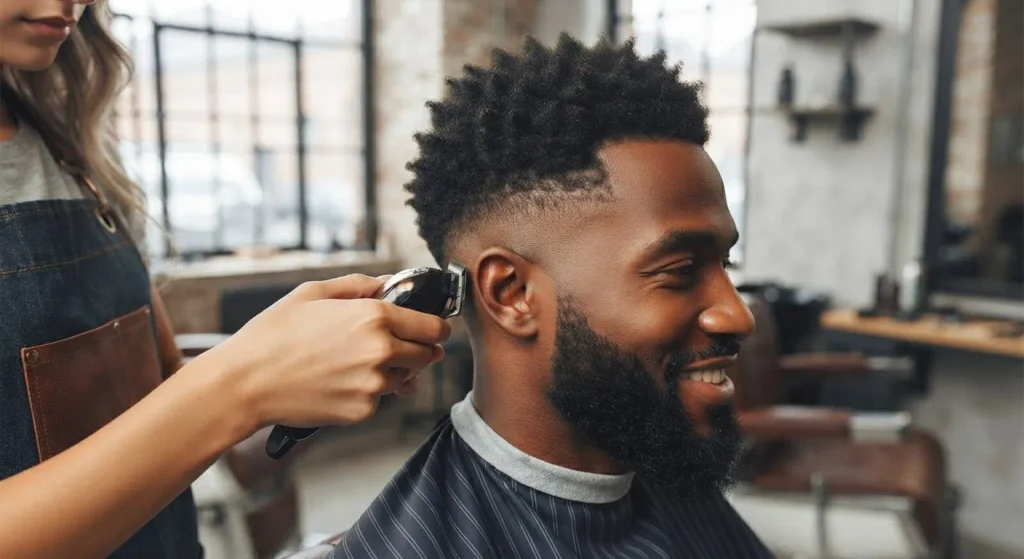
Rather than staying level around the head, the fade line dips downward behind the ear, following the curve of the skull toward the nape. It’s especially flattering on curly and coily hair because the curved line frames the texture instead of cutting across it in a straight band.
Burst Fade
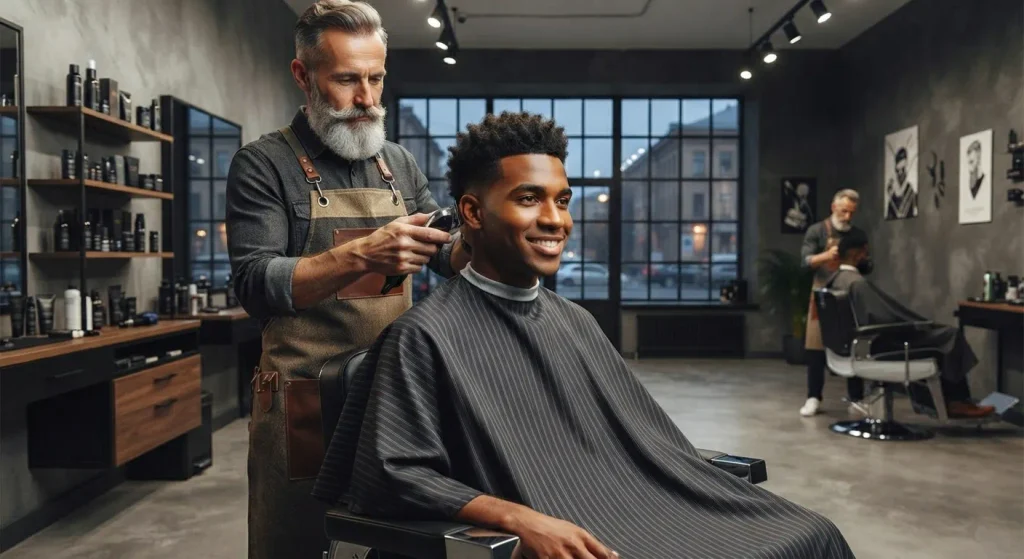
Cuts in a semicircle around the ear and stops there. It does not wrap around to the back of the neck. This leaves more length at the nape, which is exactly why burst fades have become the backbone of nearly every modern mullet variation.
READ MORE : Burst Taper Fade: Styles, Cost & What to Ask Barber
Burst Taper Fade
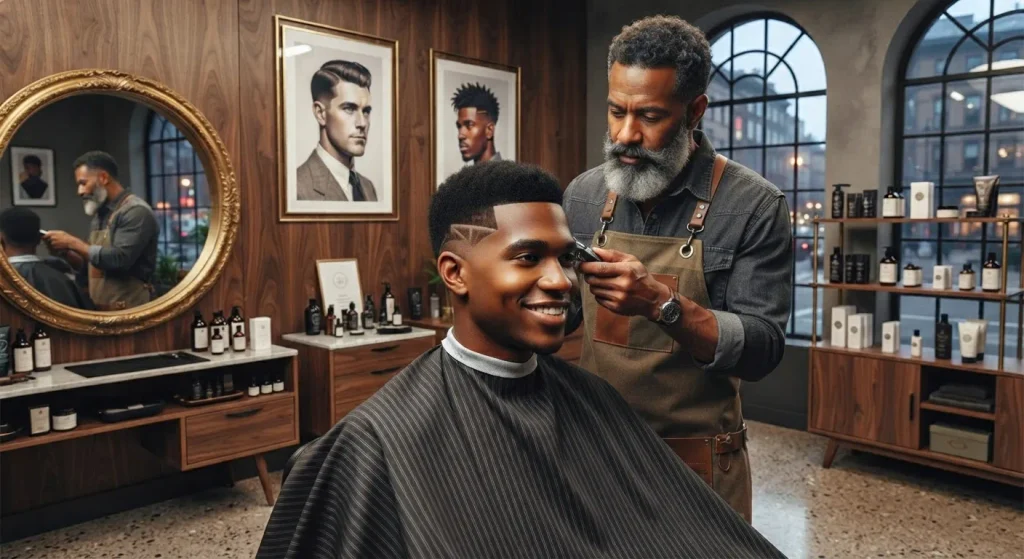
A taper’s soft blend, shaped into a burst around the ear instead of a straight line. Currently one of the most requested combinations for mullet adjacent styles that don’t want the harsh contrast of full skin.
Temple Fade (Brooklyn Fade / Blowout Fade)
Fades specifically at the temples and nape while leaving the hairline behind the ear untouched. This is the style with the least naming consistency. The same haircut gets called a temple fade in one shop and a Brooklyn fade or blowout fade two blocks over. Describe the mechanics, not just the name, and you’ll avoid the mix up.
Bald Fade
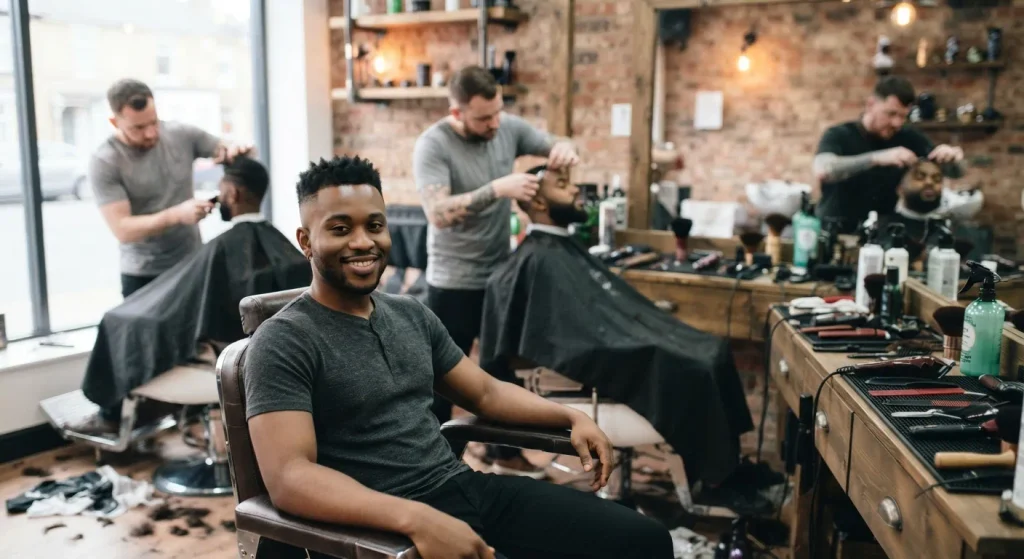
Just the North American name for a skin fade. If a barber asks “skin fade or bald fade,” they’re checking your terminology, not offering two different cuts.
V Part / Afro Fade
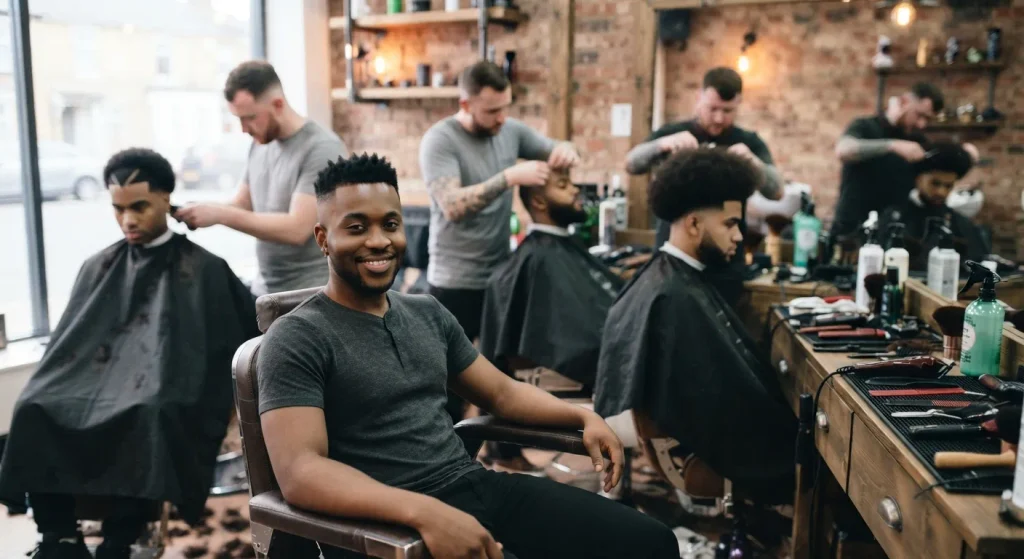
Worth calling out specifically: on tightly coiled or afro textured hair, a straight fade line can get visually lost in the curl pattern. Barbers working with this hair type often pair a mid or high fade with a defined V Shaped Part at the nape to keep the edge crisp and legible against the texture.
Clipper Guard Reference
Most barbers think in guard numbers, not adjectives. Knowing even a few of these will make your next consultation faster and more precise:
| Guard | Length Left Behind | Where It’s Used |
| 0 (skin) | Bare | Bottom of a skin/bald fade |
| 0.5 to 1 | 1.5 to 3 mm | Transition zone directly above skin |
| 2 | 6 mm | Bottom of a taper fade |
| 3 to 4 | 10 to 13 mm | Mid blend length |
| 5 to 6+ | 16 mm+ | Upper blend, hands off to scissor work on top |
Matching a Fade to Your Face, Hair, and Schedule
By face shape
| Face shape | Best fit | Why |
| Round | Mid or high fade | Added height visually elongates the face |
| Long/oval | Low fade or taper | Keeps vertical proportions balanced |
| Square | Nearly anything | Mid fade is the safe default |
| Heart shaped | Low fade or taper | Draws attention away from a wider forehead |
By hair type
| Hair type | Best fit | Why |
| Thick/coarse | Skin fade | Sharp line prevents sides from looking bulky |
| Fine/thinning | Taper fade | Softer blend hides scalp show through |
| Curly/coily | Drop, burst, or V part fade | Curved lines complement the curl pattern |
By how often you can get back in the chair
- Once a month: taper or low fade
- Every two to three weeks: mid, high, or full skin fade
A Note for Thinning Hair or a Receding Hairline
This is where most fade guides go quiet, but barbers hear it constantly. A fade doesn’t automatically expose more scalp than you’re comfortable with, but the wrong height can spotlight thinning instead of disguising it.
A taper fade is generally the safest starting point, since it keeps length at the bottom and softens the transition near a receding line rather than drawing a hard edge next to it. A low fade is the next safest choice, since it stays away from a thinning crown entirely. Avoid a high fade if the temples have receded; the added contrast up top does the opposite of what you’re after. Tell your barber exactly where you’re thinning before the clippers come out. A good barber will shape the line around it, not through it.
What to Actually Say to Your Barber
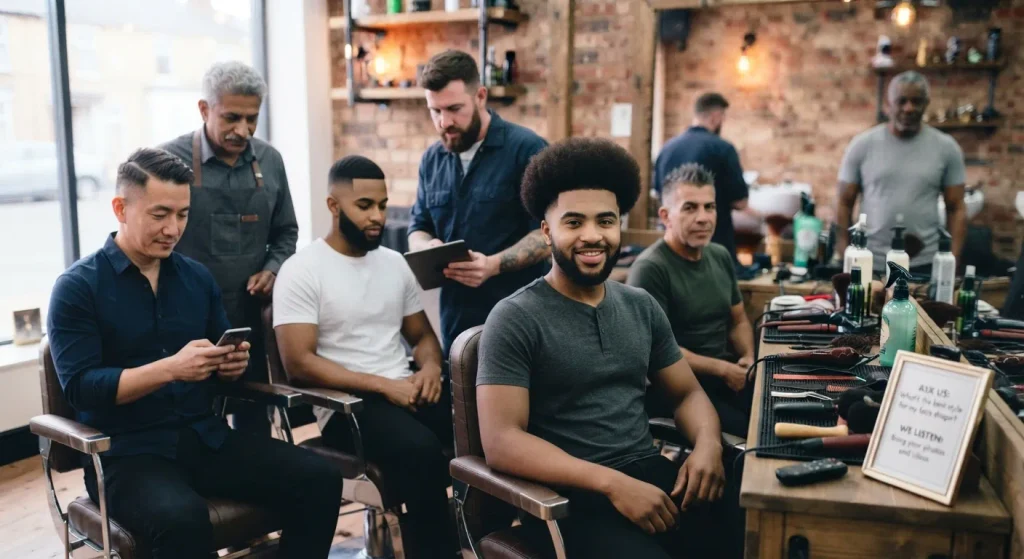
Vague requests get vague results. Use this structure:
“I’d like a low / mid / high fade, taken down to [skin / a guard 1], blended up to length on top, with a scissor cut / textured / hard part finish.”
A few ready to use versions:
- Low fade: “Keep it low, just above the ears, down to the skin, and leave about two inches on top.”
- High fade: “Take it high, near the crown, all the way to the skin, and keep the top sharp and textured.”
- Burst fade: “Curve it around my ear only. Don’t take it around the back, and leave more length at the nape for a mullet style top.”
- Thinning hair: “I’d rather stay at guard 2 at the bottom than go to skin. I don’t want it too exposed near the crown.”
And bring a photo. It removes the last 10 percent of ambiguity that words can’t.
Mistakes That Ruin an Otherwise Good Fade
- Asking for “a fade” with no height. This is the single most common miscommunication. Always specify low, mid, or high.
- Skipping the photo for a first time barber. Verbal descriptions of blend width vary wildly between people.
- Going full skin with a receding hairline. See the section above. This is the most common regret clients report.
- Trying to maintain the full blend at home. A trimmer can clean up neckline stragglers between visits, but recreating a professional gradient without clipper over comb technique almost always leaves a visible step.
Why the Skin Along a Fresh Fade Dries Out (and What to Do About It)
The skin at the base of a skin fade has been freshly exposed. It hasn’t built up the same oil balance as skin that’s been covered by hair for weeks. That’s why it flakes and tightens faster than the rest of the scalp. A lightweight, fragrance free moisturizer applied to the fade line (not the hair on top) solves this in a few days. Avoid touching the area with your hands between washes. Transferred oils are a common cause of small breakouts along a fresh line.
Frequently Asked Questions
Is a skin fade the same as a bald fade?
Yes. Both describe a fade that ends at bare skin. The terms are often used interchangeably, although usage can vary by region and barbershop.
What’s the actual difference between a burst fade and a drop fade?
A burst fade curves around the ear and keeps more length toward the nape. A drop fade continues around the sides and drops lower toward the back of the head.
Can I get a skin fade with curly or coily hair?
Yes. A skin fade can create strong contrast with curly or coily hair, making the texture on top stand out clearly.
Will a skin fade work with a receding hairline?
It depends on where the hairline is receding and how much contrast you want. A low fade or taper may be a better starting point than a high fade when you want less emphasis around the temples.
How often does a skin fade need a touch-up?
Many people refresh a skin fade every two to three weeks, although hair growth and personal preference can change the timing. Taper fades can often go longer between appointments.
Is a high fade too bold for an office job?
Not necessarily. The overall appearance also depends on the length and styling of the hair on top, as well as how cleanly the fade is maintained.
What guard number does a skin fade end at?
A skin fade finishes at bare skin. A barber may use a very short clipper setting during the transition and then a foil shaver or razor for the closest finish.
Final Word
Fades can really change the whole vibe of a haircut. With a skin fade, the hair goes right down to the scalp at the shortest point that’s what gives it that sharp, clean contrast. Pairs well with a lot of styles honestly, textured crops, curly tops, buzz cuts, even mullets nowadays.
What actually changes the look is the fade height, how well it’s blended, and how much contrast you’re going for on the sides. Keep it low and it stays subtle, go mid and it’s more balanced, go high and you get that stronger contrast look. And then you’ve got bald fades, drop fades, burst fades on top of that each one gives the haircut a slightly different shape.